Source and composition
Collagen origin, purification, other constituents and manufacturing controls.
Explore the extracellular matrix protein behind the material—and why evidence for a specific wound-care device matters more than a generic materials claim.
Collagen is a family of proteins central to the architecture of connective tissues. Its triple-helical arrangement is a key structural feature. Collagen-containing biomaterials can be developed in forms such as sheets, sponges, particles and powders.
The behaviour of a finished medical device depends on source, processing, composition, design and intended use. These must be demonstrated through product-specific evidence.
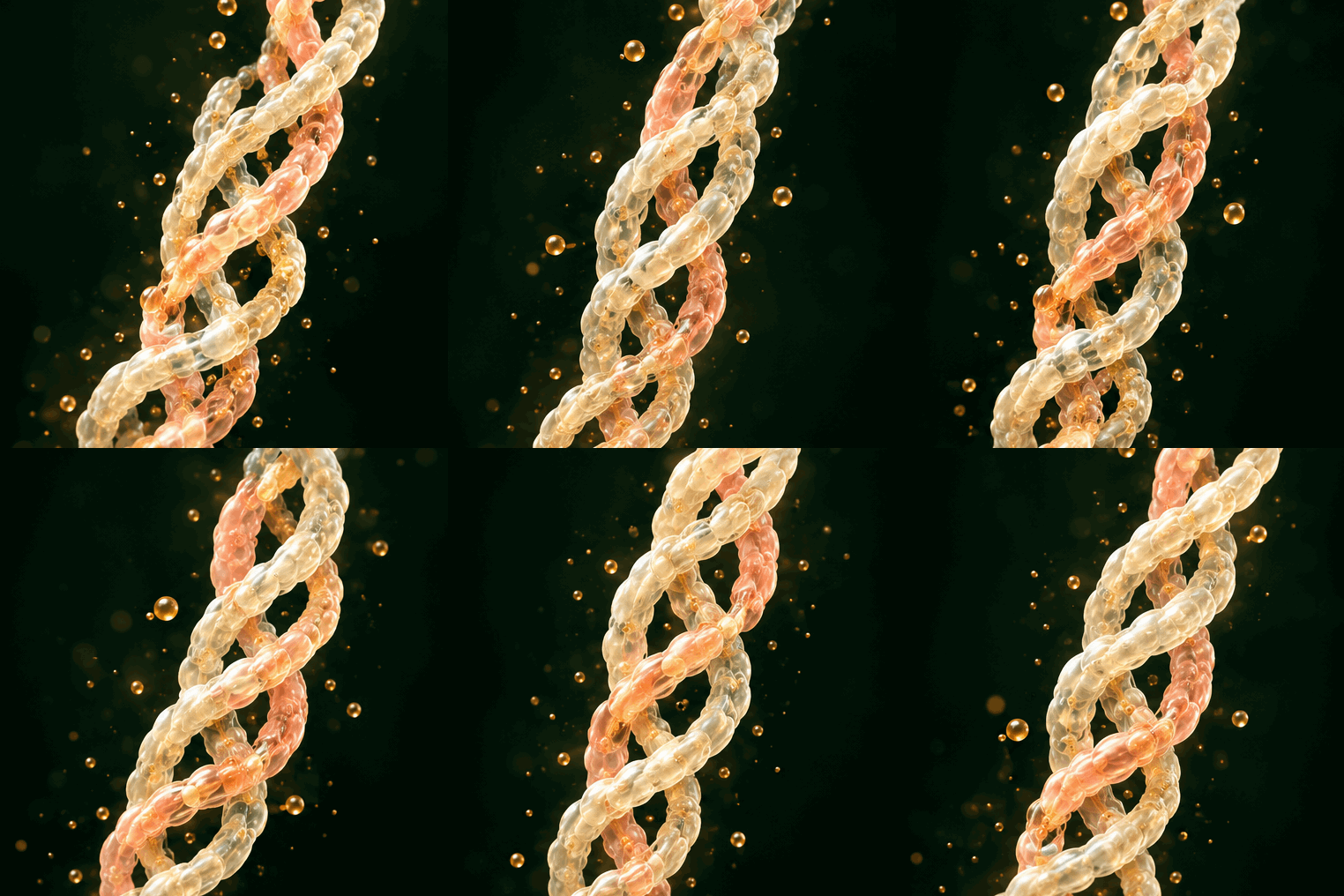
Collagen origin, purification, other constituents and manufacturing controls.
Physical format, packaging, sterile barrier (if applicable), shelf life and instructions.
Approved intended purpose, performance evidence, risk information and relevant conformity assessment.
Descriptions of collagen biology do not establish that any particular dressing or powder heals wounds faster, treats an infection, is suitable for a specific wound type or is interchangeable with another device. Such claims require device-specific substantiation and regulatory review.